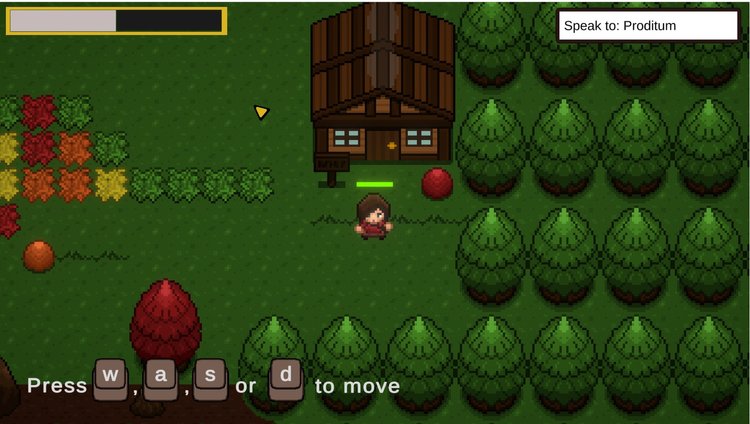
Overview
Developed over a two-month period at Manchester Metropolitan University, Dragon Mind is an evidence-based therapeutic game designed to help young people build emotional resilience. The game seamlessly weaves Rational Emotive Behaviour Therapy (REBT) into a classic hero’s journey. By rewarding rational choices and tracking behavioral patterns, it helps players challenge irrational beliefs and manage anxiety and depression.
Core Systems & Contributions
Automated Narrative & Audio Tooling
- Ink Voice-Over Integration: Engineered a dynamic audio routing system that synchronized Ink dialogue tags with Unity’s audio engine, including runtime manipulation to seamlessly swap Player Character voice lines (Male/Female) based on user settings.
- Custom Editor Tools: Developed a custom Unity C# Editor tool using Regex to automatically parse Ink files and inject sequential
#voice_audiotags. This completely eliminated manual data entry, prevented ID duplication, and protected narrative sequences from desyncing when designers inserted new lines.
Architecture & UI Systems
- Modular Tag Manager & Minigame Framework: Engineered a centralized Tag Manager to evaluate Ink tags and execute arbitrary gameplay actions dynamically. Built a modular card minigame as proof-of-concept that can be triggered directly from a dialogue line, pausing the narrative flow and seamlessly resuming the conversation upon minigame completion without state loss.
- Race Condition Resolution: Solved input race conditions by decoupling the UI dismiss logic from the core
DialogueManager. This allowed pop-ups to safely hook into global event dispatchers (EventTracker) to be triggered by dialogue, chests, or shops without breaking the gameplay flow. - Input Rebinding Architecture: Built an interactive, fully rebindable Controls Menu using Unity’s New Input System. Implemented asset-wide conflict resolution that scans all action maps during rebinding, preventing players from accidentally overwriting hidden or duplicate keybinds.
Economy & Branching Logic
- Scalable Narrative Economy: Programmed a dynamic, percentage-based wealth deduction system for end-game scenarios (Town Restoration).
- Designer Empowerment: Exposed key economic variables via custom Inspector ranges, allowing game designers to tweak difficulty tiers (from “Barely Fixed” to “Fully Upgraded”) without requiring code recompilation.
Team Impact & Documentation
- Workflow Optimization: By automating tedious tasks like the Ink VO tagger and exposing crucial variables to the Inspector, I successfully removed engineering bottlenecks, allowing the narrative and design teams to iterate rapidly.
- Knowledge Sharing & PR Culture: Fostered a highly collaborative environment by extensively documenting my code and Pull Requests. I ensured every PR clearly explained the added systems, their purpose, and how teammates could replicate or adapt them, leading to my components being widely reused across the project.